

| Riley Puckett |
 “Nobody’s Business” “Nobody’s Business” |
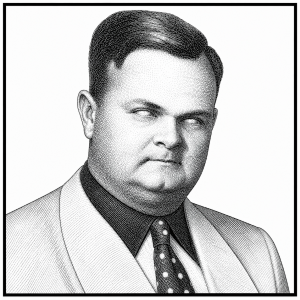 Riley Puckett was one of the most influential early country music performers and guitarists of the 1920s and 1930s, remembered for his warm singing voice, exceptional flatpicking guitar style, and important role in the development of old-time and string-band music. Born George Riley Puckett on May 7, 1894, near Dallas, Georgia, he grew up in rural surroundings where traditional Southern folk music, fiddle tunes, and community dance music were central parts of everyday life.
Puckett lost his eyesight at a young age due to an illness, but his blindness did not prevent him from becoming a highly skilled musician. In fact, music became a major focus of his life, and he quickly developed a remarkable ear for melody and rhythm. He mastered guitar playing in an era when the instrument was often considered secondary to fiddle music, helping elevate the guitar’s importance in early country ensembles.
During the 1920s, Puckett became nationally known through his work with the influential old-time string band The Skillet Lickers, led by Gid Tanner. Alongside fiddler Clayton McMichen and other musicians, the group recorded lively dance tunes, comic songs, and folk standards that became hugely popular among rural audiences. Their recordings captured the humor, energy, and musical traditions of the American South during the early years of the recording industry.
Puckett’s smooth tenor voice and sophisticated guitar accompaniment distinguished him from many other performers of the era. He recorded numerous solo songs as well, including “Ragged but Right,” “The Moonshine Man,” and “Rock All Our Babies to Sleep.” His flatpicking technique strongly influenced later country and bluegrass guitarists and helped establish the guitar as a lead instrument in traditional American music.
In addition to his technical skill, Puckett was admired for his expressive singing and ability to blend humor with emotional sincerity. His performances reflected the everyday experiences of working-class Southern audiences while preserving older Appalachian and folk traditions.
Although changing musical trends reduced the popularity of old-time string bands during the 1930s, Puckett’s influence continued through later generations of country, bluegrass, and folk musicians who studied his recordings and guitar style.
Riley Puckett died on July 13, 1946, at the age of fifty-two. He remains remembered as one of country music’s early guitar pioneers and a foundational figure in the history of old-time Southern string-band music.