



| Charlie Poole |
 “If The River Was Whiskey” “If The River Was Whiskey” |
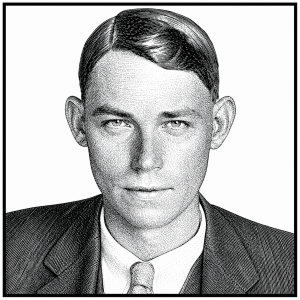 Charlie Poole was one of the most influential early country and old-time musicians, remembered for his distinctive banjo playing, lively singing style, and important role in shaping commercial string-band music during the 1920s. Born Charles Cleveland Poole on March 22, 1892, in Randolph County, North Carolina, he grew up in a rural Southern environment where folk songs, fiddle tunes, and dance music were central parts of community life. These traditions deeply influenced the music he later brought to national audiences.
As a young man, Poole worked in textile mills and various labor jobs while developing his musical talents during local gatherings and dances. He became an accomplished banjo player, favoring a three-finger picking style that differed from the older clawhammer approach common at the time. His energetic playing and rhythmic precision gave his music a distinctive drive that strongly influenced later country and bluegrass banjo styles.
During the 1920s, Poole formed the influential string band North Carolina Ramblers with fiddler Posey Rorer and guitarist Norman Woodlief. The group became one of the most successful old-time recording acts of the era after signing with Columbia Records in 1925. Their recordings blended folk ballads, dance tunes, comic songs, and ragtime influences into a lively and highly accessible sound.
Poole’s best-known recordings included “Don’t Let Your Deal Go Down,” “White House Blues,” and “If the River Was Whiskey.” His performances reflected both Appalachian traditions and broader popular influences, helping bridge the gap between rural folk music and commercial entertainment. Unlike some later country singers who emphasized polished vocals, Poole’s appeal came largely from his personality, rhythmic energy, and authentic working-class style.
The North Carolina Ramblers became enormously popular among rural audiences, selling large numbers of records during the early years of the country music industry. Their success demonstrated the commercial appeal of Southern string-band music and helped pave the way for countless later country and bluegrass performers.
Despite his musical achievements, Poole struggled with alcoholism throughout his life, which contributed to personal and professional difficulties. Nevertheless, his influence on American roots music remained profound.
Charlie Poole died on May 21, 1931, at the age of thirty-nine. He is remembered as one of the foundational figures of old-time country music, whose banjo playing and recordings helped shape the development of American folk, country, and bluegrass traditions for generations to come.