




| Alabama |
 “Old Flame” “Old Flame” |
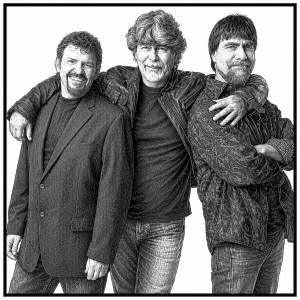 Alabama is one of the most successful and influential groups in country music history, credited with transforming the genre during the 1980s by blending traditional country sounds with Southern rock, pop, and contemporary production. Formed in Fort Payne, Alabama, the group originally consisted of cousins Randy Owen, Teddy Gentry, and Jeff Cook. Raised in rural northeastern Alabama, the three musicians grew up singing in church, listening to country music, and performing together at local events.
The group began performing professionally in the early 1970s under the name Wildcountry, playing bars, clubs, and small venues throughout the Southeast. For years, they traveled extensively and worked tirelessly to build a following, often performing several nights a week while struggling financially. In 1977, they changed their name to Alabama, honoring their home state and creating the identity that would soon become famous nationwide.
After years of perseverance, Alabama achieved its breakthrough in 1980 with the hit single “My Home’s in Alabama.” The success of the song led to a major recording contract and launched one of the most remarkable runs in country music history. Throughout the 1980s, Alabama dominated the charts with a string of number-one hits including “Mountain Music,” “Tennessee River,” “Feels So Right,” “Love in the First Degree,” “Dixieland Delight,” “Song of the South,” and “If You’re Gonna Play in Texas (You Gotta Have a Fiddle in the Band).”
Unlike many country acts of the era, Alabama functioned as a self-contained band, with members playing their own instruments and contributing creatively to their recordings. Their sound combined strong harmonies, electric guitars, fiddle, steel guitar, and Southern rock influences, helping attract younger listeners while maintaining traditional country roots.
The group’s commercial success was extraordinary. Alabama sold more than seventy million records worldwide and earned dozens of awards, including multiple Country Music Association and Academy of Country Music honors. Their influence helped pave the way for later country groups and bands that emphasized instrumental performance alongside vocal harmonies.
Beyond their music, Alabama became known for charitable work through the June Jam concerts and various community initiatives benefiting education and healthcare in their home region.
Though the group has experienced lineup changes and periods of retirement, Alabama remains one of country music’s most beloved and enduring acts. Their blend of heartfelt storytelling, Southern pride, and accessible melodies helped redefine modern country music and secure their place among the genre’s greatest legends.