| Sheila Andrews |
 “Valley Of Tears” “Valley Of Tears” |
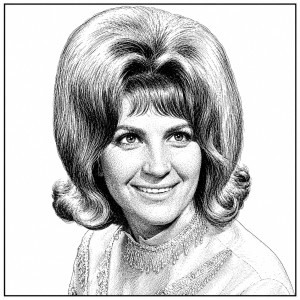
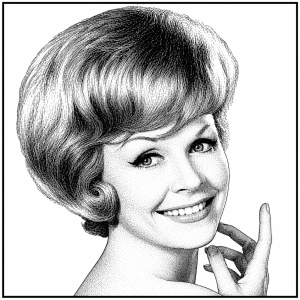
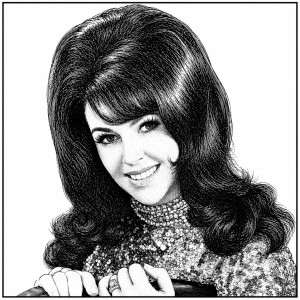
 Sheila Andrews was a talented country music singer whose soulful, husky voice and emotionally expressive style earned her a devoted following during the late 1970s and early 1980s. Although she never achieved major superstar status, Andrews became respected among country music fans and collectors for her distinctive sound and heartfelt performances. Her recordings reflected a blend of traditional country emotion with a smoother contemporary style that fit the evolving Nashville sound of the era.
Born Sheila Marlene Alldredge on April 10, 1953, in Athens, Alabama, she spent much of her early life in Akron, Ohio, after her family relocated there for work opportunities. Raised in a working-class environment, Andrews experienced many of the struggles and realities that later gave emotional authenticity to her singing. She married at a young age and became the mother of four children before eventually pursuing music professionally.
Before entering the country music industry, Andrews worked selling carpeting over the telephone while occasionally singing in local clubs. Her career changed dramatically after she began performing publicly and was encouraged by her second husband to pursue recording opportunities in Nashville. There she met producer Brien Fisher and signed with Ovation Records in the late 1970s.
One of the most unusual aspects of Andrews’s career involved her voice itself. After surgery to remove a thyroid tumor, her singing voice became much lower and huskier than before. Rather than hurting her career, the distinctive vocal quality helped set her apart from many other female country singers of the period.
Andrews released albums including Love Me Like a Woman and Lovesick, earning modest chart success with songs such as “Too Fast for Rapid City,” “Where Could You Take Me,” and “It Don’t Get Better Than This,” her highest-charting single. She also recorded the duet “What I Had With You” with Joe Sun, a song later popularized by John Conlee.
Despite strong critical potential, Andrews’s career was affected by the collapse of Ovation Records and limited industry support. She continued recording briefly with smaller labels but never fully broke into mainstream country stardom.
Tragically, Sheila Andrews died of a heart attack on December 26, 1984, at just thirty-one years old. Though her career was short, she remains remembered for her unique voice, emotional sincerity, and overlooked contributions to late twentieth-century country music.