| Uncle Dave Macon |
 “Oh Baby, You Done Me Wrong” “Oh Baby, You Done Me Wrong” |
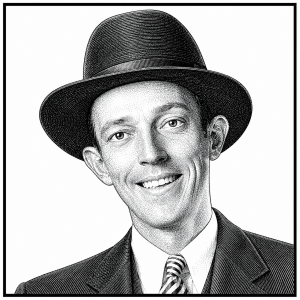
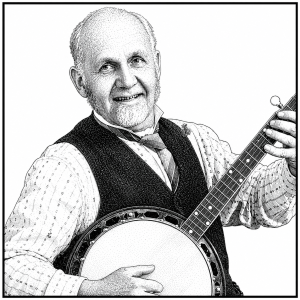 Uncle Dave Macon was one of the most colorful and influential pioneers in early country music, celebrated for his energetic banjo playing, comic storytelling, and lively stage performances. Born David Harrison Macon on October 7, 1870, in Smartt Station, Tennessee, he grew up during a time when traditional Southern folk music was deeply connected to community gatherings, traveling shows, and rural entertainment. His father operated a hotel and stagecoach stop, exposing young Dave to musicians, storytellers, and performers from an early age.
Macon developed a love for music as a child and learned to play the banjo in the old-time Appalachian style. His performances blended folk songs, comic routines, dancing, and audience interaction into a highly entertaining act that reflected the spirit of nineteenth-century rural America. Before becoming a full-time entertainer, Macon worked for many years as a freight hauler using mule wagons, traveling across Tennessee while singing and entertaining along the way.
By the 1920s, Macon had become a well-known regional performer throughout the South. In 1924, he began recording commercially, quickly gaining popularity for songs such as “Keep My Skillet Good and Greasy,” “Jordan Am a Hard Road to Travel,” and “The Wayward Girl.” His recordings captured the humor, rhythm, and storytelling traditions of Southern folk culture and helped preserve older musical styles during a period of rapid social change.
Macon’s stage performances were legendary for their energy and showmanship. Unlike many musicians of his era who remained still while performing, he danced, joked, twirled his banjo, and interacted enthusiastically with audiences. His lively personality made him one of country music’s earliest true entertainers rather than simply a singer or instrumentalist.
In 1926, Macon became one of the original stars of the Grand Ole Opry, where he earned national fame and the affectionate nickname “Uncle Dave.” His appearances helped shape the Opry’s identity during its formative years and introduced old-time Southern music to radio audiences across America.
Beyond entertainment, Macon served as an important link between nineteenth-century folk traditions and the emerging commercial country music industry. His recordings and performances preserved songs and styles that might otherwise have been forgotten.
Uncle Dave Macon died on March 22, 1952, at the age of eighty-one. He is remembered as one of country music’s great pioneers and one of the most beloved entertainers of the Grand Ole Opry’s early history.