| Faron Young |
 “Your Old Used To Be” “Your Old Used To Be” |
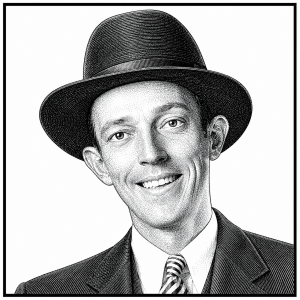
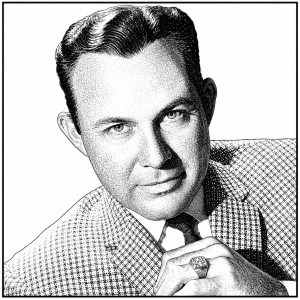
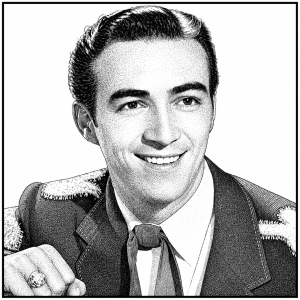 Faron Young was one of country music’s most charismatic and successful honky-tonk singers, known for his energetic performances, smooth voice, and colorful personality. Born Faron Young on February 25, 1932, in Shreveport, Louisiana, he grew up in a musical environment strongly influenced by Southern country traditions and the thriving regional radio scene. As a teenager, he became fascinated with country music and began performing locally while still attending school.
Young’s career gained momentum after he appeared on the influential Louisiana Hayride radio program, which helped launch the careers of many future country stars. His lively stage presence and natural vocal talent quickly attracted attention, and by the early 1950s he had signed with Capitol Records. Soon afterward, he began producing hit records that established him as one of country music’s rising stars.
Throughout the 1950s and 1960s, Young scored numerous successful songs, including “If You Ain’t Lovin’ (You Ain’t Livin’),” “Hello Walls,” “Live Fast, Love Hard, Die Young,” and “It’s Four in the Morning.” His recordings blended traditional honky-tonk emotion with polished Nashville production, helping him appeal to both hardcore country fans and mainstream audiences. His rich voice and confident delivery made him one of the era’s most dependable hitmakers.
Young earned the nickname “The Hillbilly Heartthrob” because of his good looks and popularity with audiences, especially female fans. Onstage, he was known for his humor, charm, and outgoing personality, often balancing emotional ballads with upbeat, playful performances.
In addition to his success as a singer, Young played an important role in Nashville publishing and artist development. He founded Music City News, a country music publication that became influential within the industry for many years. He also supported younger performers and remained deeply involved in country music culture beyond recording and touring.
Despite his professional accomplishments, Young struggled privately with depression and personal difficulties later in life. Changes in the country music industry during the 1980s reduced his commercial visibility, though he continued performing and remained respected by traditional country fans.
Faron Young died on December 10, 1996, following a self-inflicted gunshot wound. His death saddened the country music community, which remembered him as a gifted vocalist and dynamic entertainer. Today, he remains recognized as one of the defining honky-tonk stars of country music’s golden era and an enduring influence on traditional country singing.