| Wanda Jackson |
 “Jealous Heart” “Jealous Heart” |
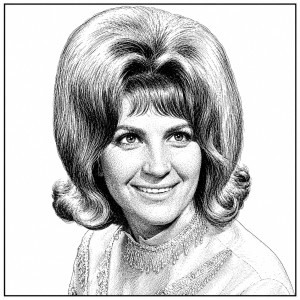
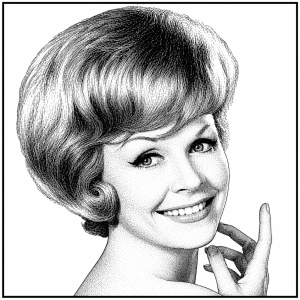
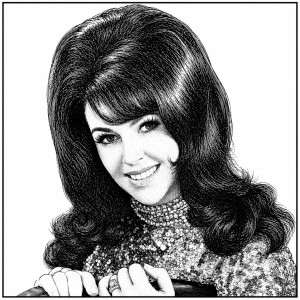 Wanda Jackson was a pioneering country and rockabilly singer whose powerful voice, energetic performances, and rebellious style helped open doors for women in rock and roll and country music. Born Wanda Lavonne Jackson on October 20, 1937, in Maud, Oklahoma, she grew up in a musical family and began singing at a young age. Her father encouraged her interest in music and taught her to play guitar, exposing her to country, Western swing, and early popular music.
During her teenage years, Jackson appeared regularly on local radio programs and talent shows, quickly attracting attention for her confident stage presence and strong voice. By the mid-1950s, she had secured recording contracts and begun touring with major country performers. Quite early in her career, she became acquainted with Elvis Presley, who encouraged her to try experimenting with the emerging rockabilly sound that was just beginning to transform popular music.
Jackson soon developed a unique style that blended country music with rock and roll energy. Songs such as “Fujiyama Mama,” “Let’s Have a Party,” “Mean Mean Man,” and “Right or Wrong” showcased her bold vocals and lively personality. Her performances stood out at a time when female singers were often expected to appear polished and restrained. Instead, Jackson embraced flashy stage outfits, dramatic delivery, and an independent image that earned her the nickname “The Queen of Rockabilly.”
Although she found success in rockabilly and early rock and roll, Jackson also maintained strong roots in traditional country music. During the 1960s and 1970s, she recorded numerous country hits and became a respected member of the Nashville music community. Her versatility allowed her to move comfortably between genres while maintaining her distinctive identity.
Jackson’s influence extended far beyond her chart success. She inspired generations of female performers by proving women could perform aggressive, energetic rock music while also succeeding in country music. Artists in both genres later cited her as a groundbreaking influence.
In later years, Jackson experienced renewed recognition as younger audiences rediscovered rockabilly music and early rock history. She continued touring and recording well into her later decades, earning admiration for her enduring talent and charisma.
Wanda Jackson died in 2025 at the age of eighty-seven, remembered as a fearless musical pioneer whose work helped shape both country music and rock and roll history.