The Country Music Index
A biographical directory of "all" those who've created, performed and/or influenced the world of Country Music
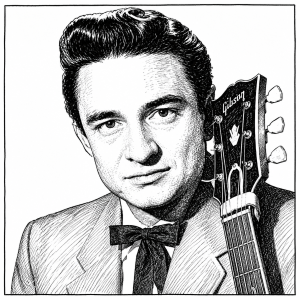 Johnny Cash was one of the most influential and recognizable figures in American music, celebrated for his deep baritone voice, stark storytelling style, and rebellious image. Born J.R. Cash on February 26, 1932, in Kingsland, Arkansas, he grew up in a poor farming family during the Great Depression. Much of his early life was spent working in cotton fields alongside his parents and siblings, experiences that later shaped the themes of hardship, faith, love, and redemption found throughout his music.
After serving in the United States Air Force in Germany during the early 1950s, Cash moved to Memphis, Tennessee, where he pursued a music career. In 1955, he signed with Sun Records, joining artists such as Elvis Presley, Jerry Lee Lewis, and Carl Perkins. His early hits, including “Folsom Prison Blues,” “I Walk the Line,” and “Ring of Fire,” quickly established him as a major country music star with crossover appeal.
Cash became known as “The Man in Black” because of the dark clothing he wore onstage, symbolizing his solidarity with the poor, prisoners, and forgotten people of society. His prison concerts at California’s Folsom Prison and Tennessee’s San Quentin Prison became legendary and produced some of the most acclaimed live recordings in country music history. Beyond country music, Cash incorporated elements of folk, rockabilly, gospel, and rock into his work, helping broaden the audience for traditional American roots music.
Throughout his life, Cash struggled with addiction and personal difficulties, but he also experienced profound spiritual renewal and professional resurgence. His marriage to singer June Carter Cash became one of the most famous partnerships in music history. In the 1990s and early 2000s, producer Rick Rubin helped revive Cash’s career through the acclaimed “American Recordings” series, introducing him to a younger generation.
Johnny Cash died on September 12, 2003, but his music and influence continue to resonate across generations and genres.