






| Jimmie Rodgers |
 “Miss The Mississippi And You” “Miss The Mississippi And You” |
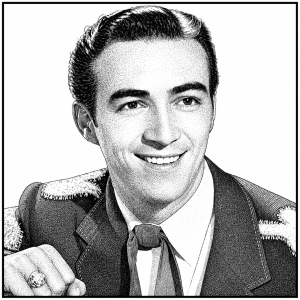
 Jimmie Rodgers was one of the most important pioneers in the history of country music, often called the “Father of Country Music” for his enormous influence on the genre’s sound, style, and emotional identity. Born James Charles Rodgers on September 8, 1897, in Meridian, Mississippi, he grew up in a railroad family during a period when Southern folk music, blues, gospel, and railroad songs were deeply woven into everyday life. After the death of his mother when he was young, Rodgers spent much of his childhood traveling with relatives and absorbing a wide variety of musical influences.
As a teenager, Rodgers spent much of his time working on the railroads, an experience that strongly shaped both his music and public image. Songs about trains, wandering, loneliness, and working-class struggles later became central themes in his recordings. During his railroad years, he also learned to play the guitar and developed his unique singing style, blending country ballads with blues phrasing and his famous trademark yodel.
Rodgers’s life changed dramatically in 1927 when he traveled to Bristol, Tennessee, to record for producer Ralph Peer during the historic Bristol Sessions. His early recordings, including “Sleep, Baby, Sleep” and especially “Blue Yodel,” became immediate successes. Rodgers’s emotionally direct singing, relaxed guitar playing, and distinctive blue yodel style created a new sound unlike anything previously heard in commercial music.
Throughout the late 1920s and early 1930s, Rodgers became one of America’s biggest recording stars. Songs such as “Waiting for a Train,” “In the Jailhouse Now,” “T for Texas,” and “Miss the Mississippi and You” combined country storytelling with blues influences, helping establish the emotional themes and vocal style that later defined country music.
Rodgers’s influence extended far beyond his own era. Artists including Hank Williams, Merle Haggard, and countless others later cited him as a foundational inspiration. His blending of rural Southern traditions with personal storytelling helped create the template for modern country songwriting.
Despite his success, Rodgers battled tuberculosis throughout much of his career. His declining health forced him to continue recording and touring under increasingly difficult conditions.
Jimmie Rodgers died on May 26, 1933, at the age of thirty-five. Though his career lasted only a few years, his impact on American music was enormous. He remains one of country music’s most influential and beloved founding figures.